Carrie Strope is a Lincoln, Nebraska-based glass and teaching artist working under the name Calyx Glass, and a Nebraska Arts Council Artists in Schools & Communities roster artist.
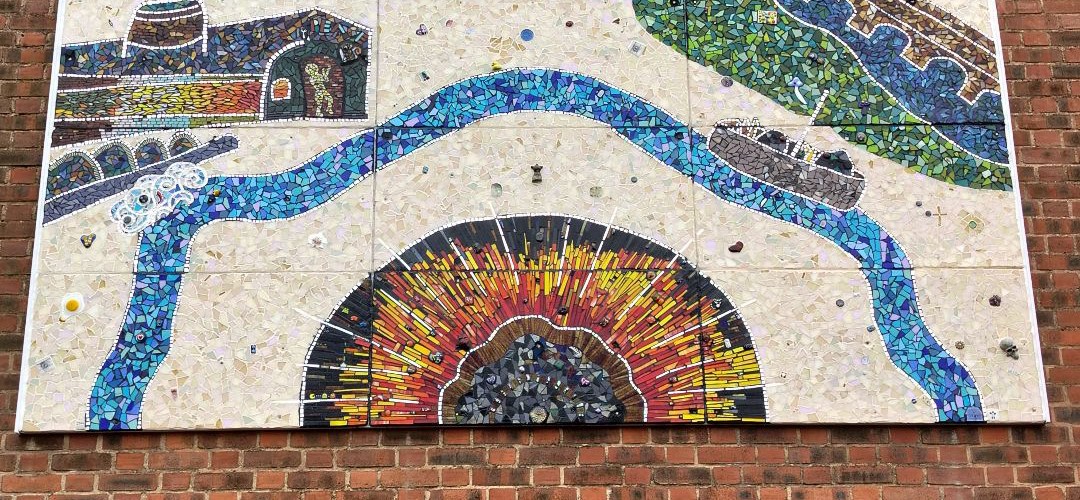
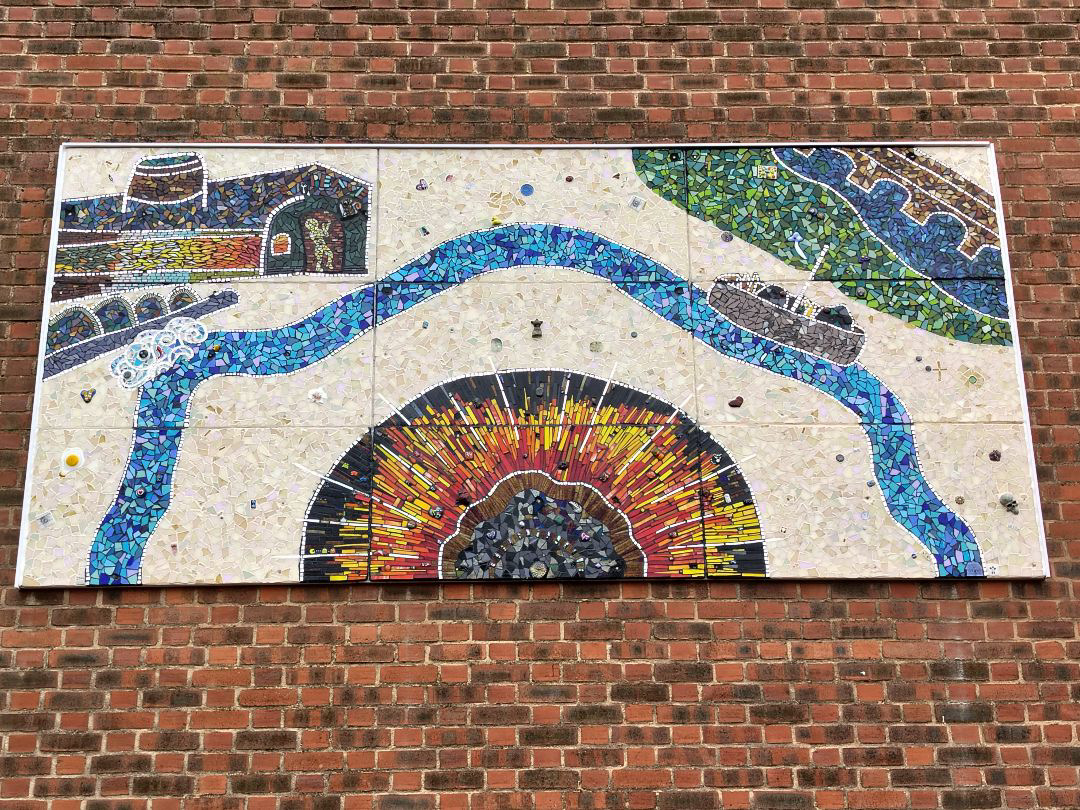
This August, I led a community glass mosaic project for the 2026 International Festival of Glass (IFOG) in St Helens, UK — the first time the Festival has been run by the Glass Art Society in its 20-year history, and the first time it’s been hosted at The World of Glass. GAS interviewed me about the project ahead of the Festival. I’m still working on a full recap of the incredible experience, but want to share a little about the backstory and share an image of the installed mosaic along with a map that shows the contributions of glass artists around the world.
A Design Built With the Community, Before the Community Ever Touched It
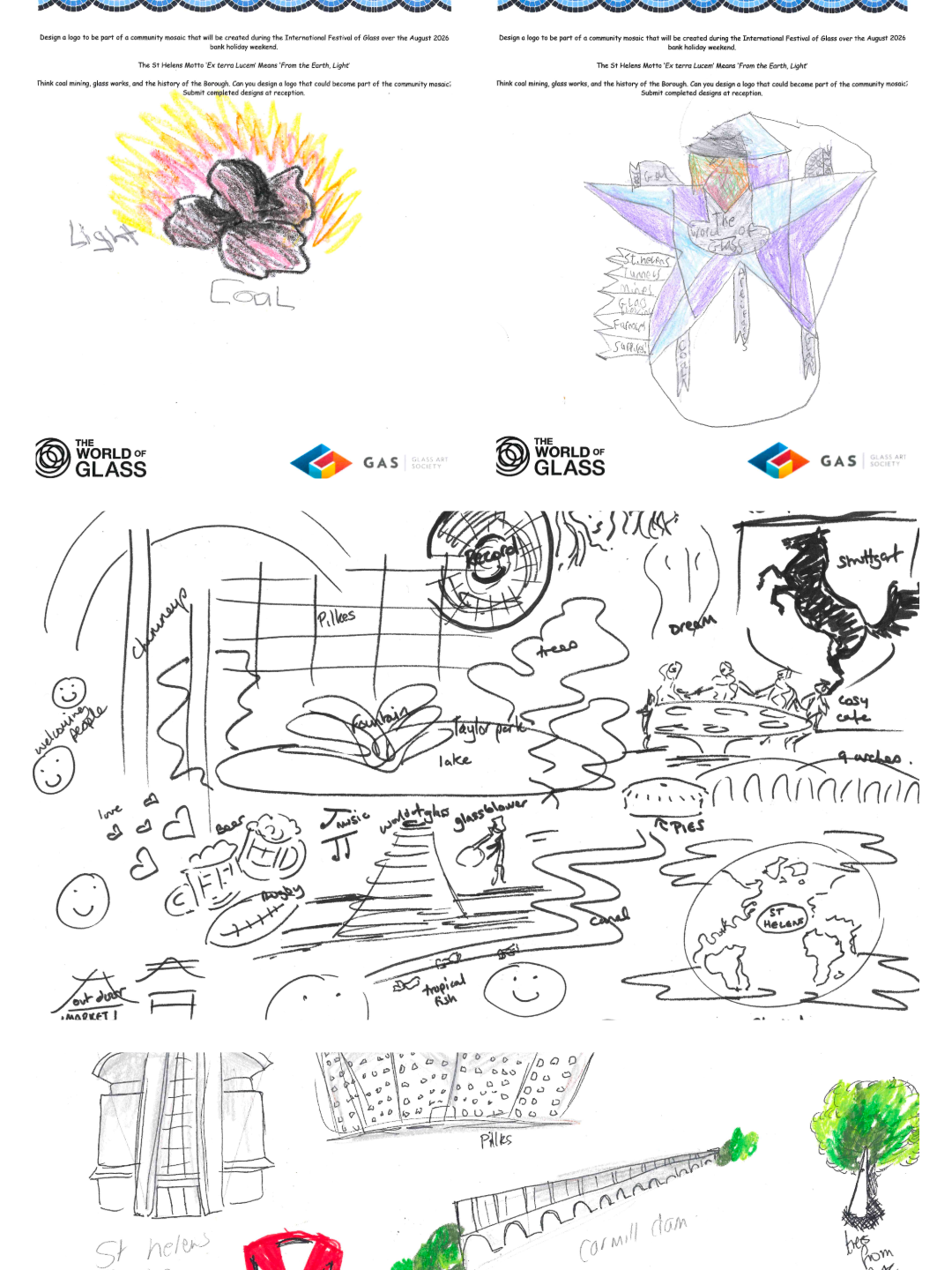
A community mosaic doesn’t start with glass — it starts with outreach. Months before the Festival, the design for the St Helens mosaic was developed in collaboration with local schools and community organizations, so that by the time the public arrived over Festival weekend, the piece already reflected the place it was being made in.
Thousands of Hands, One Permanent Piece
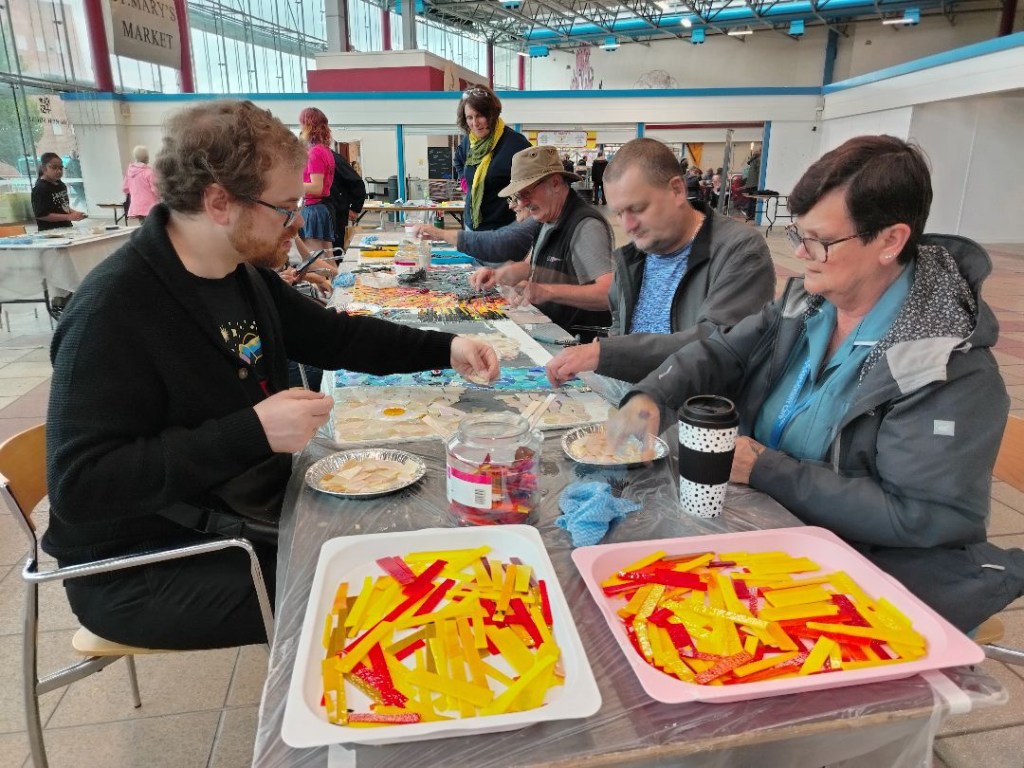
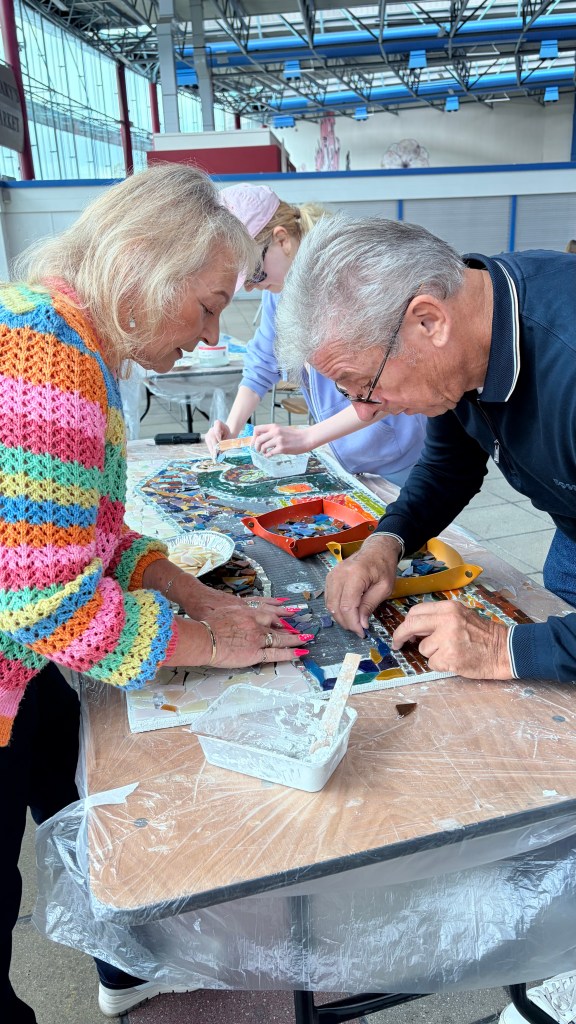
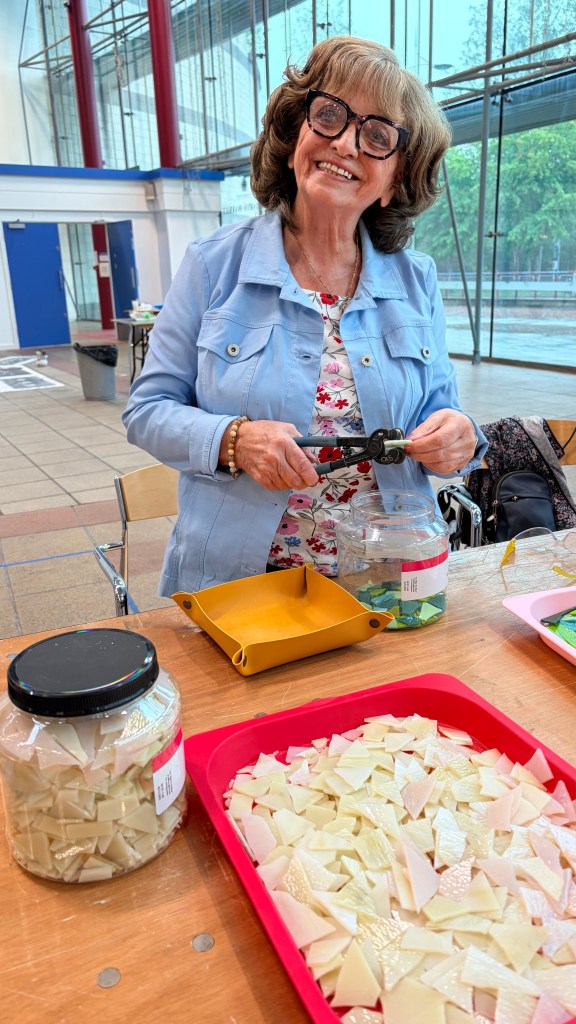
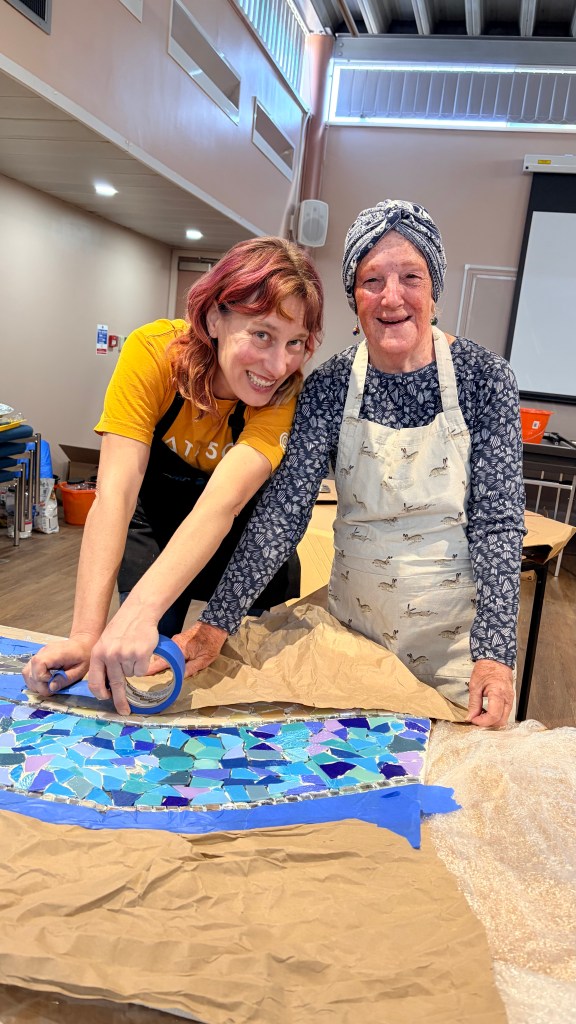
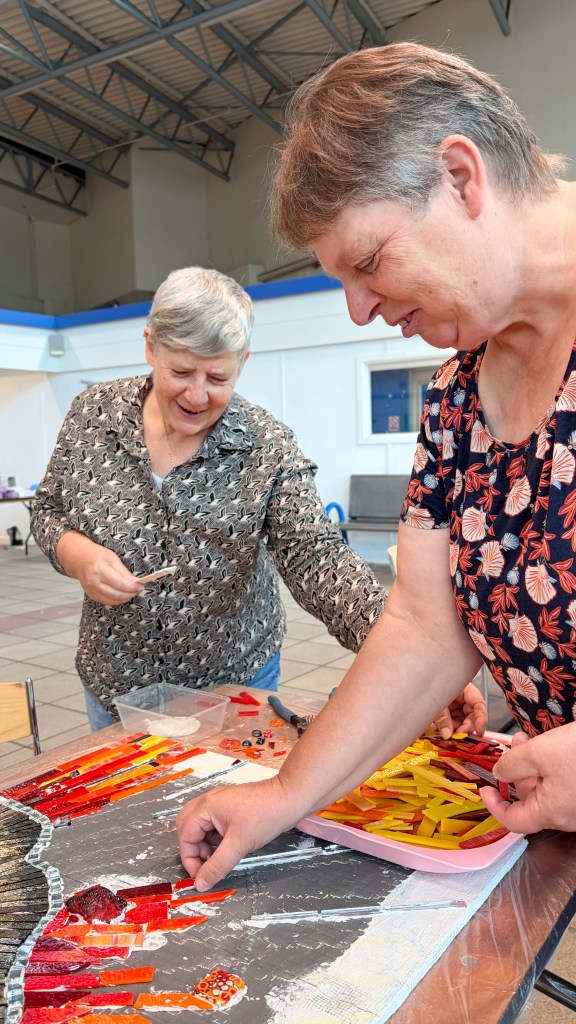
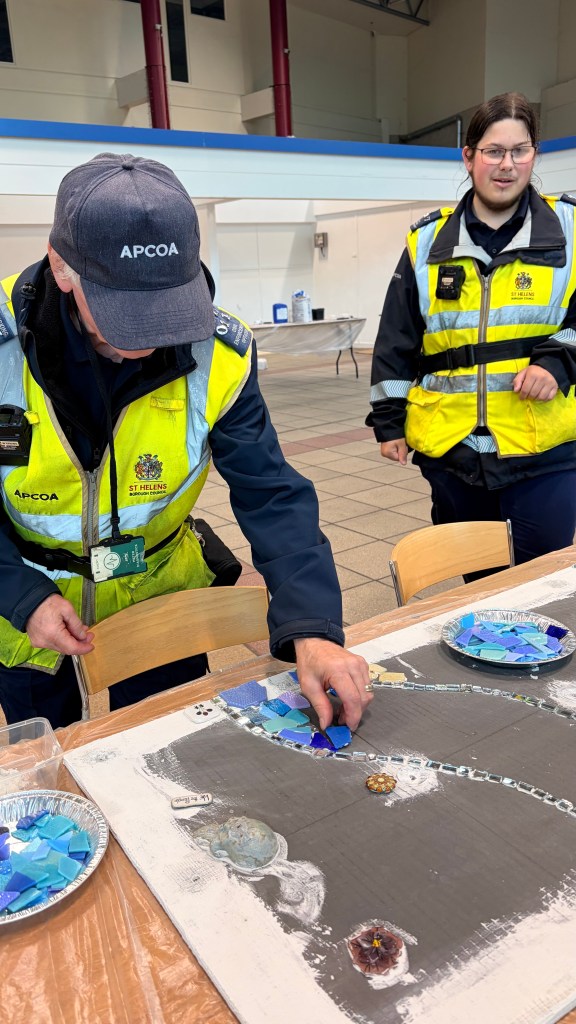
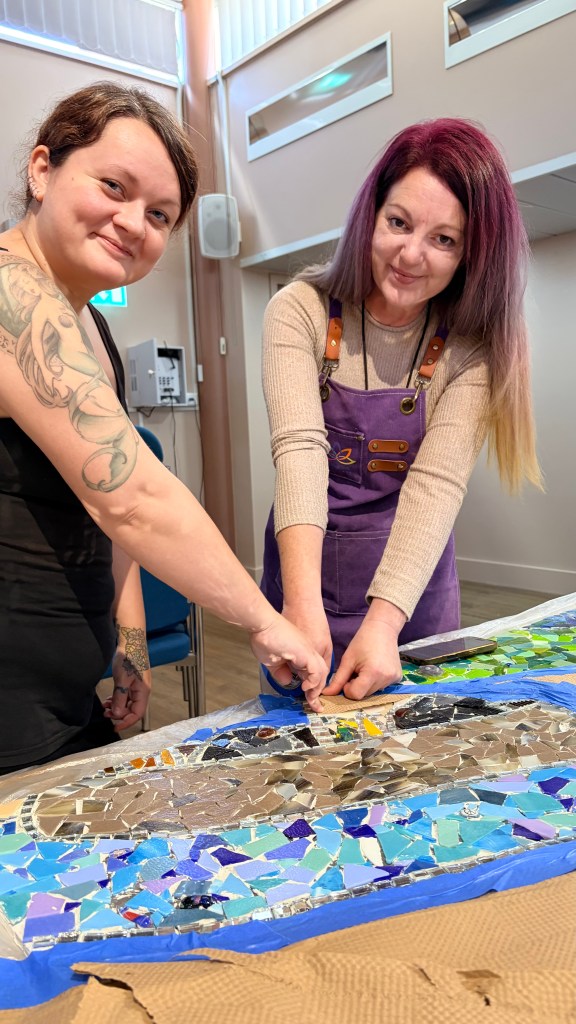
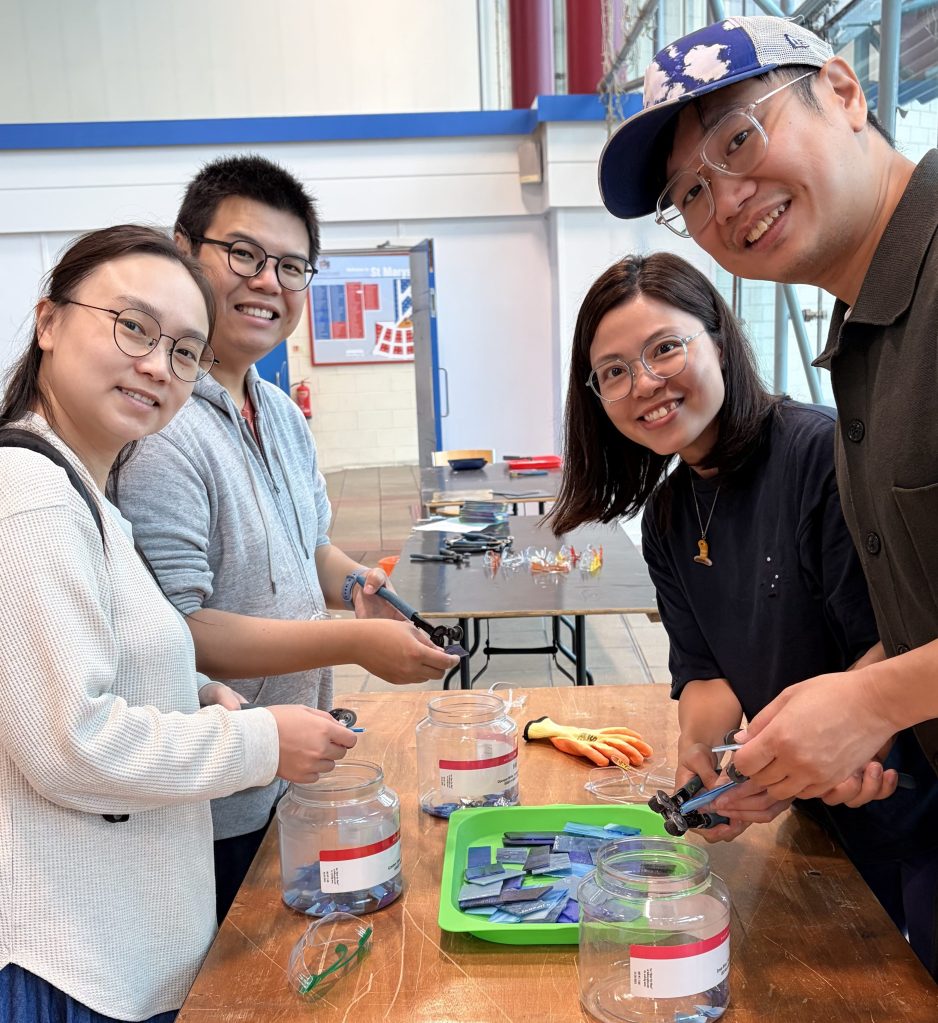
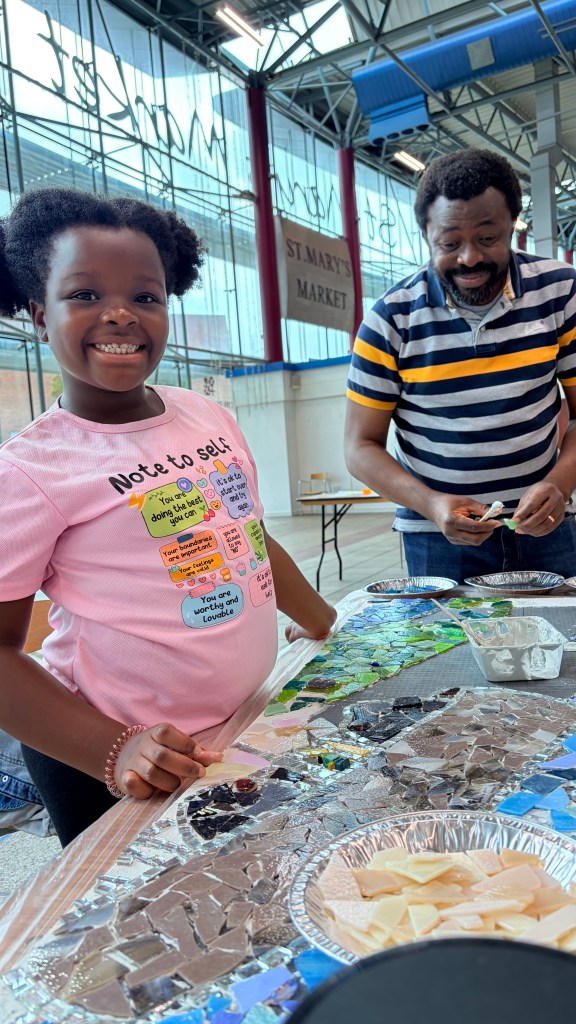
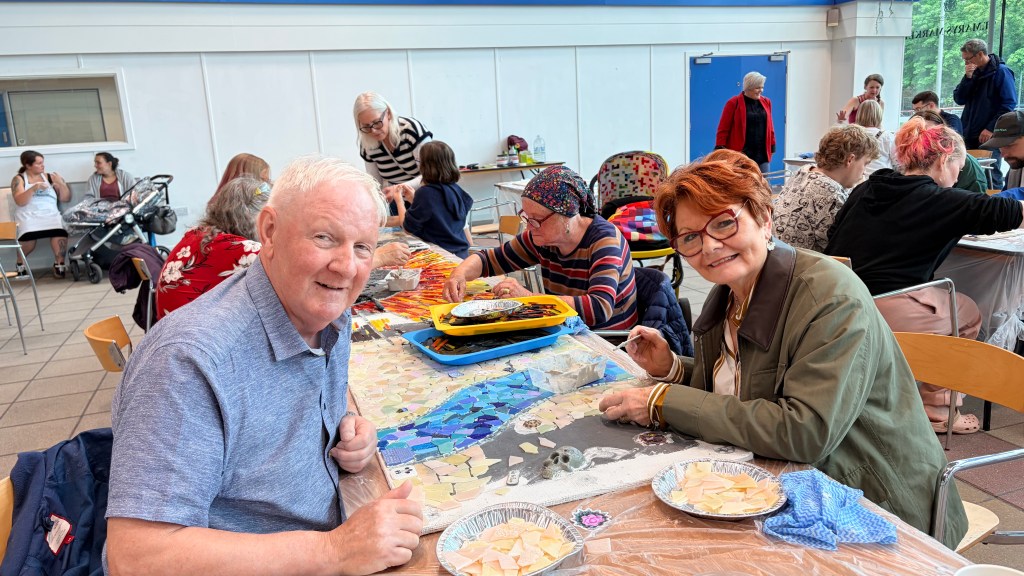
Over the Festival weekend, visitors of every age had the chance to contribute directly — laying individual mosaic pieces into the design. Some pieces were even pre-made and mailed in by contributors who couldn’t attend in person, so people who never set foot in St Helens still have a piece of themselves in the final work.
The finished mosaic is now a permanent public art installation on the exterior of The World of Glass — a lasting, physical record of a community showing up for itself.
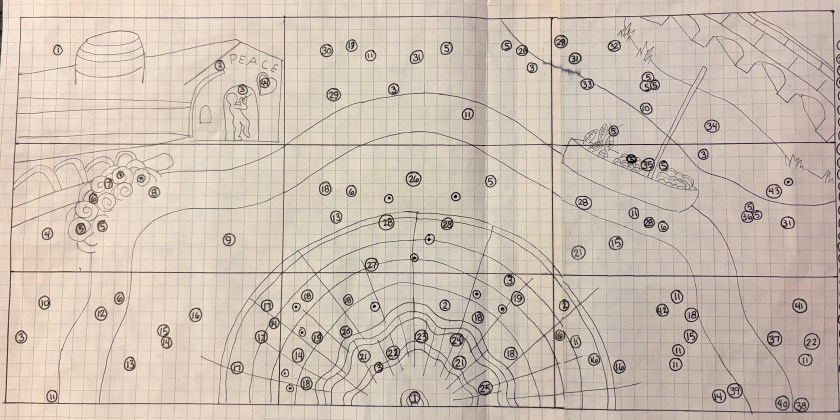
See the interactive map of the mosaic and find the artists that helped.
If you drive a Jeep, you may have found a rubber duck on your hood or door handle. In Butler, Pennsylvania, there are glass ones hiding in a wall.
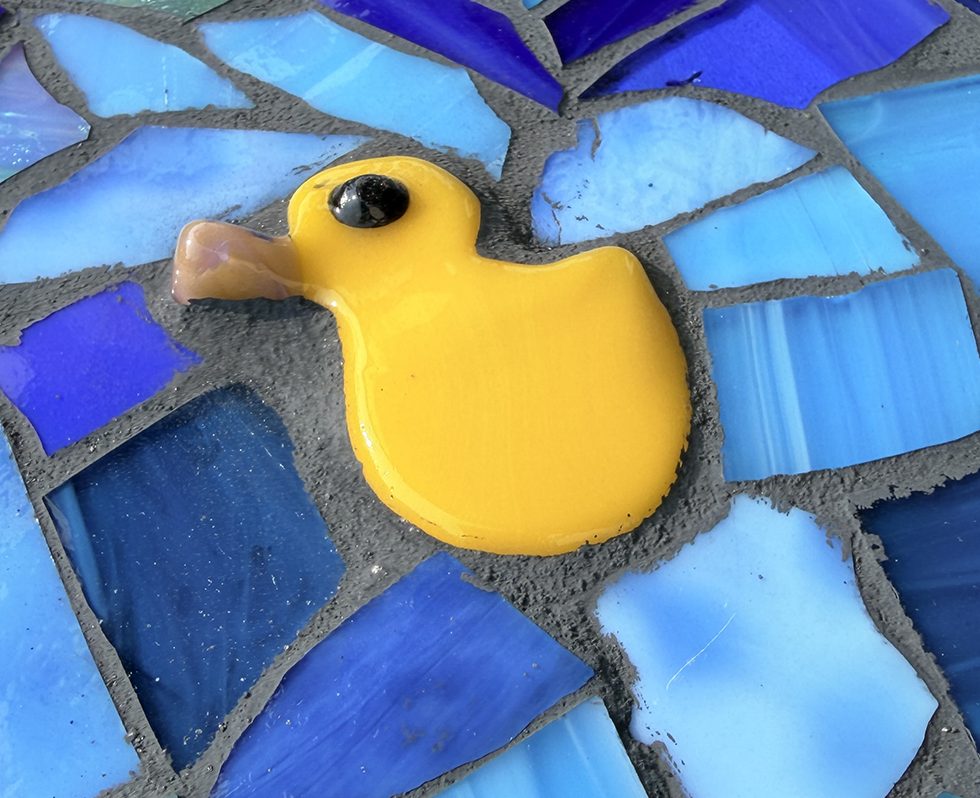
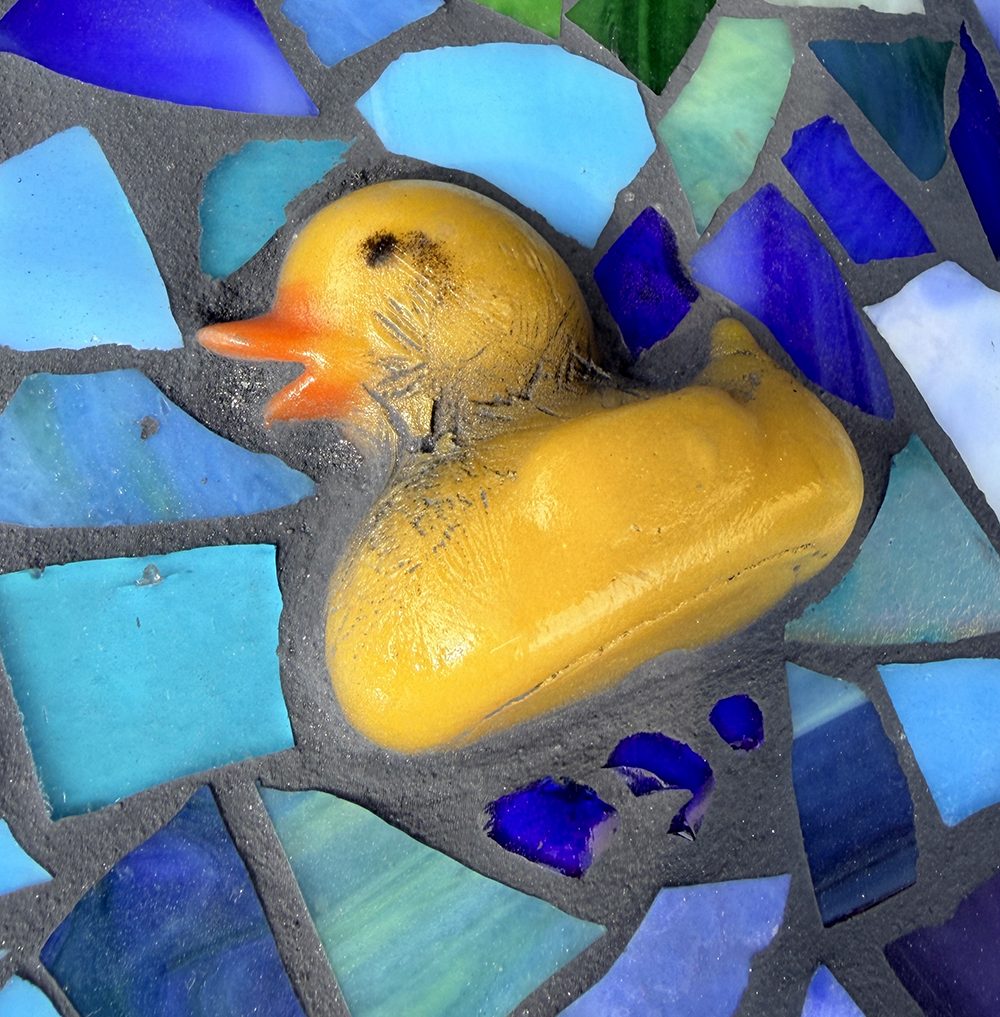
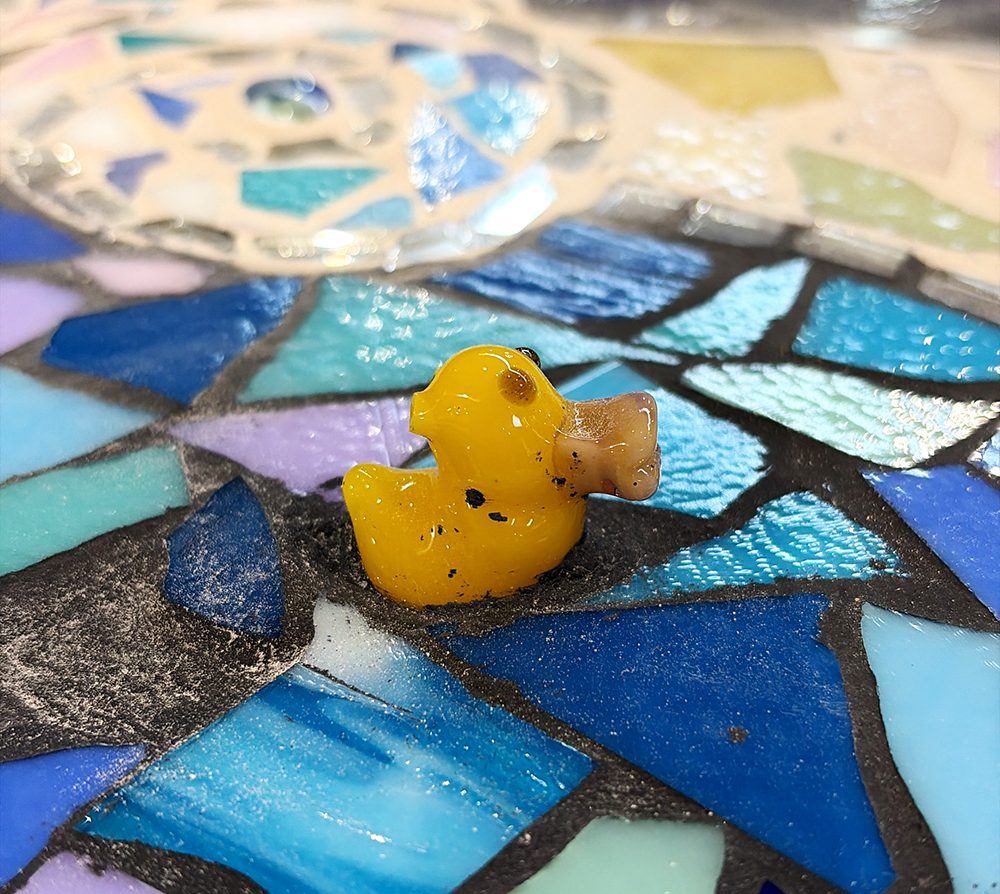
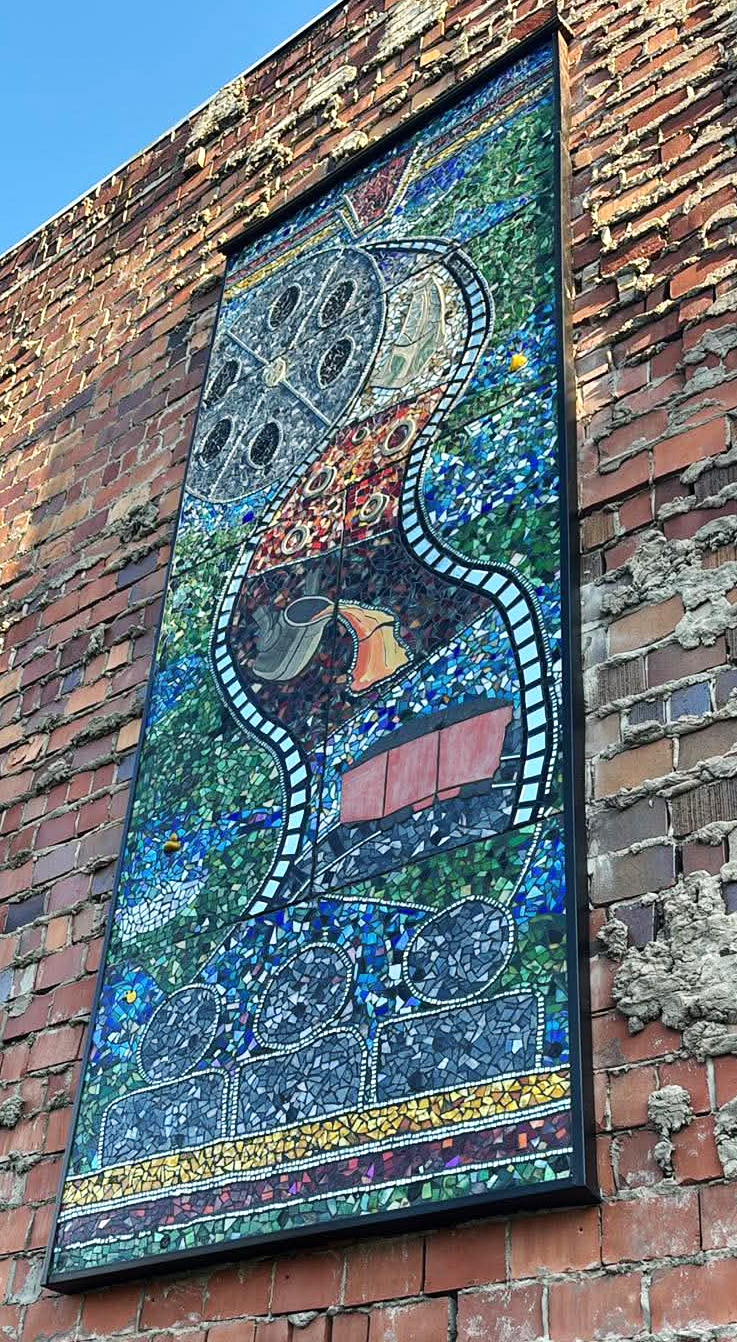
When we built the community mosaic for the Penn Theater in Butler, we tucked ducks into the design as an Easter egg. Most people walk past and see a colorful mural. Jeep people look closer, and they get the joke. The mosaic was unveiled during Steeples & Stacks Heritage Weekend, where visitors also took part in a public mosaic experience.
Why ducks in the Birthplace of the Jeep?
Butler is where the American Bantam Car Company designed and built the first Jeep prototype in 1940. Willys-Overland and Ford went on to mass-produce it for the war effort, but the story starts on Butler’s West End.
Jeep owners return every June for the Bantam Jeep Heritage Festival. Friday night, Jeeps line downtown Butler for the Jeep Invasion. The weekend continues at Cooper’s Lake Campground with off-road trails and a Jeep Playground obstacle course, mud pit included. Plan your trip through Visit Butler County.
A town with that much Jeep history deserved a duck or two in its mosaic. Jeep ducking, the practice of leaving a rubber duck on another Jeep, started in 2020 and turned into a community tradition. Our ducks are glass.
What is a QUAX Mystery Box?
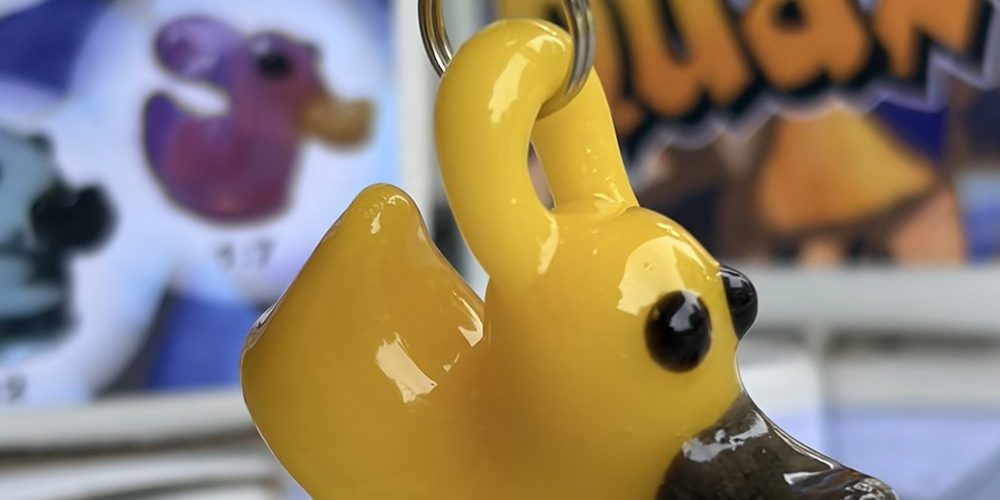
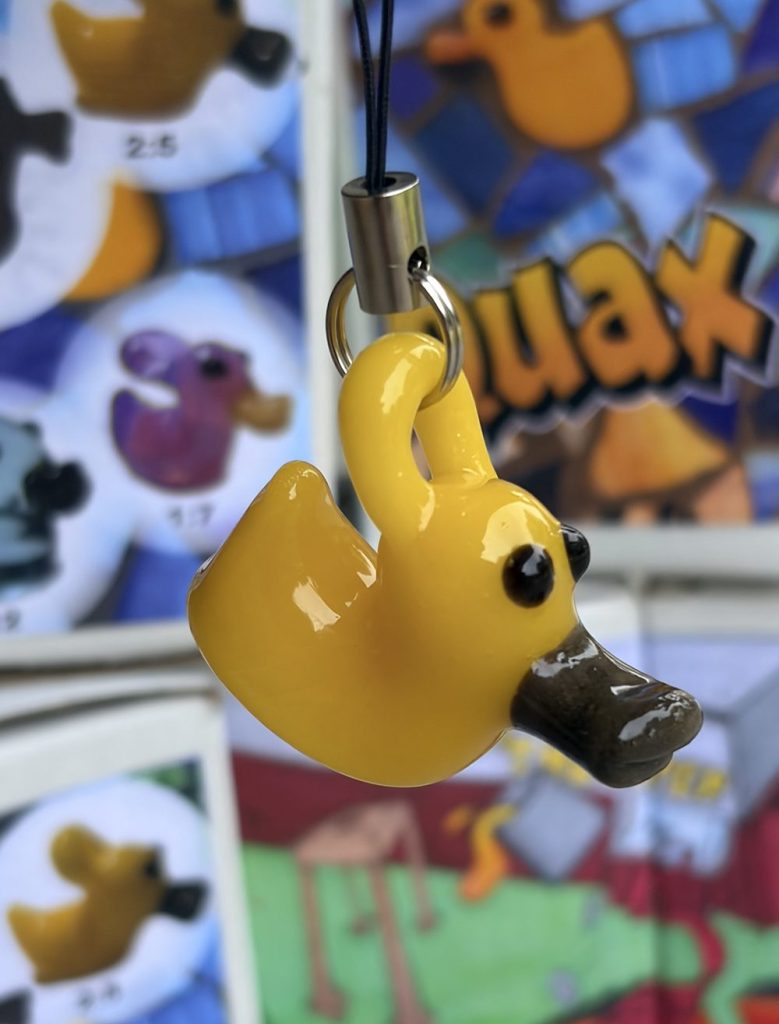
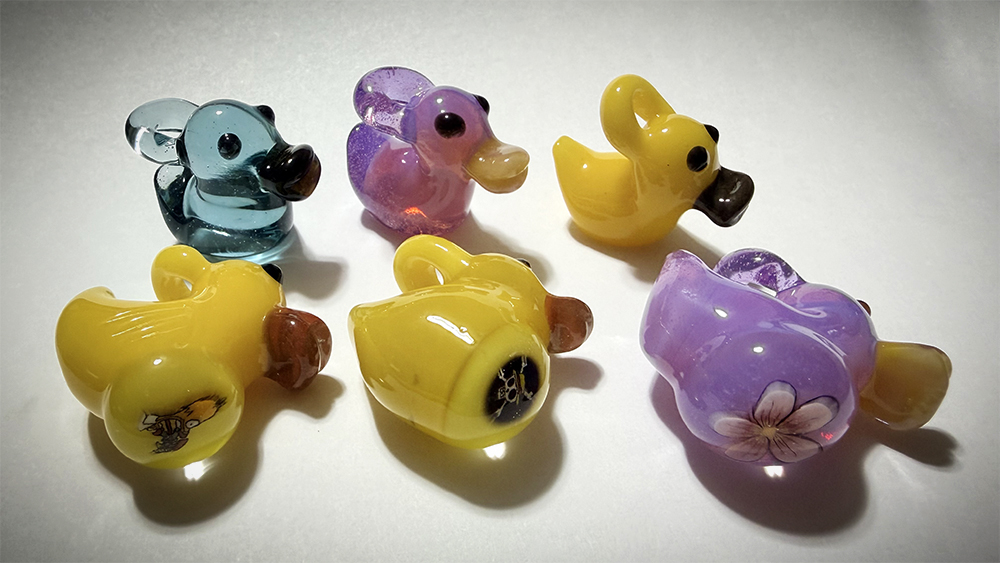
Every box hides one handmade glass duck, and you won’t know which until you open it. QUAX ducks are rubber-ducky charms formed in borosilicate glass by US glass artists and strung on a lariat lanyard. Clip one to your keys, your phone, or your trail pack.
Common Yellow: most of the flock
Rare Blue: turns up less often
Ultra Rare Purple: the one collectors chase
Secret Art Rare Mystery Ducks: one-of-a-kind artist pieces we keep off the product page on purpose
The ducks in your box come from the same flock that landed in our Butler mosaic. They hopped the pond for the the community mosaic built at the International Festival of Glass in St. Helens, England, at The World of Glass. They were made by the same hands.
A duck for the Jeep person in your life
A blind box gives them the unboxing, and a glass duck is a keepsake that nods to Jeep ducking without being left on a windshield. It also works as a stocking stuffer or a festival-season gift.
Can you spot the three Rubber Duckies hiding in the mosaic mural?
FAQ
Why are there ducks in the Butler, PA mosaic? They’re an Easter egg for Jeep fans, a nod to Jeep ducking and to Butler’s title as the Birthplace of the Jeep.
What are QUAX ducks made of? Borosilicate glass, handmade by US glass artists.
Can I choose my duck? No. Each box contains one random duck. Colors are Common Yellow, Rare Blue, and Ultra Rare Purple, plus a few Secret Art Rare ducks.
How do I carry or display it? It’s strung on a lariat lanyard, so it works as a charm for keys, a phone, or a backpack.
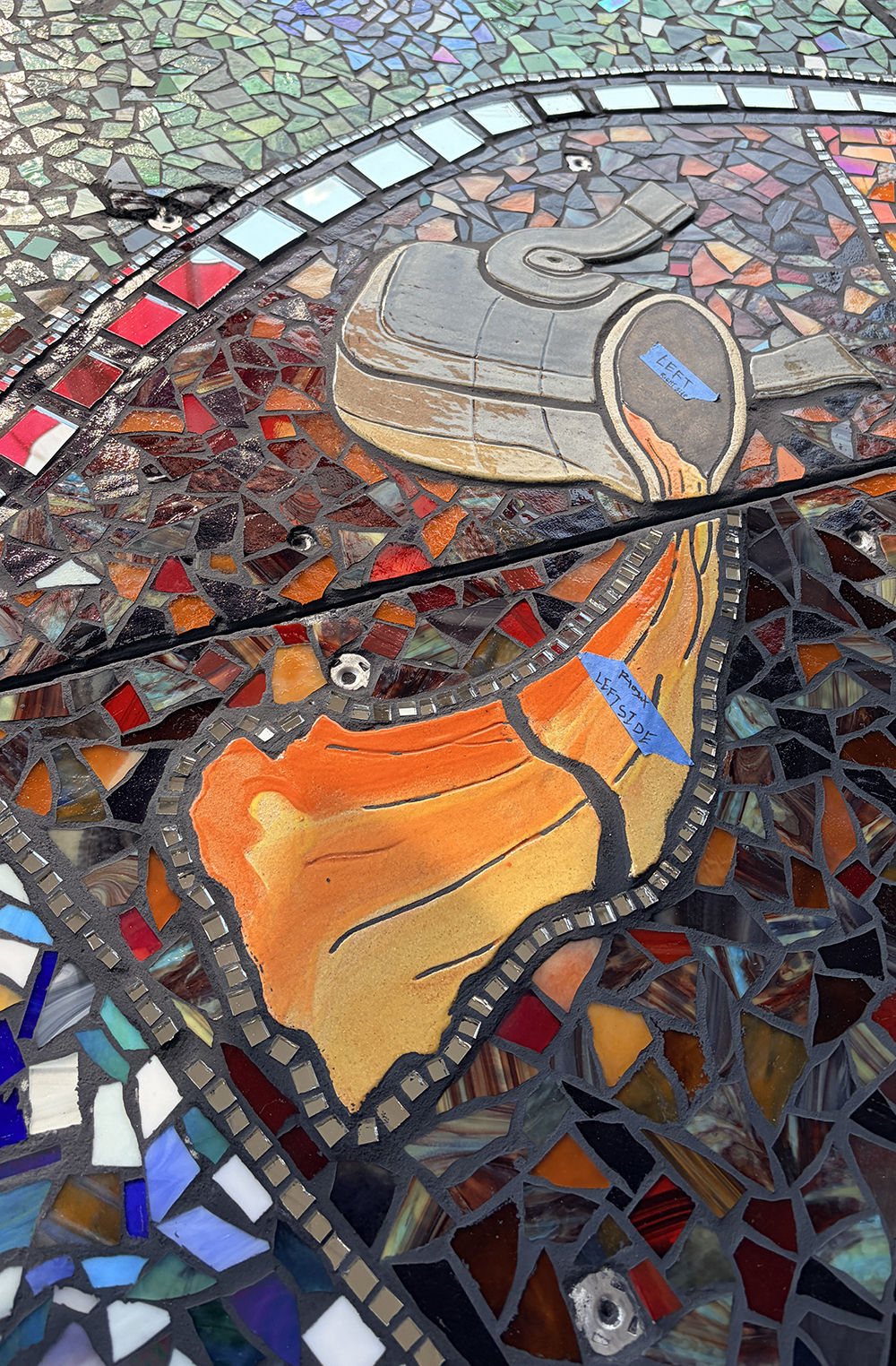
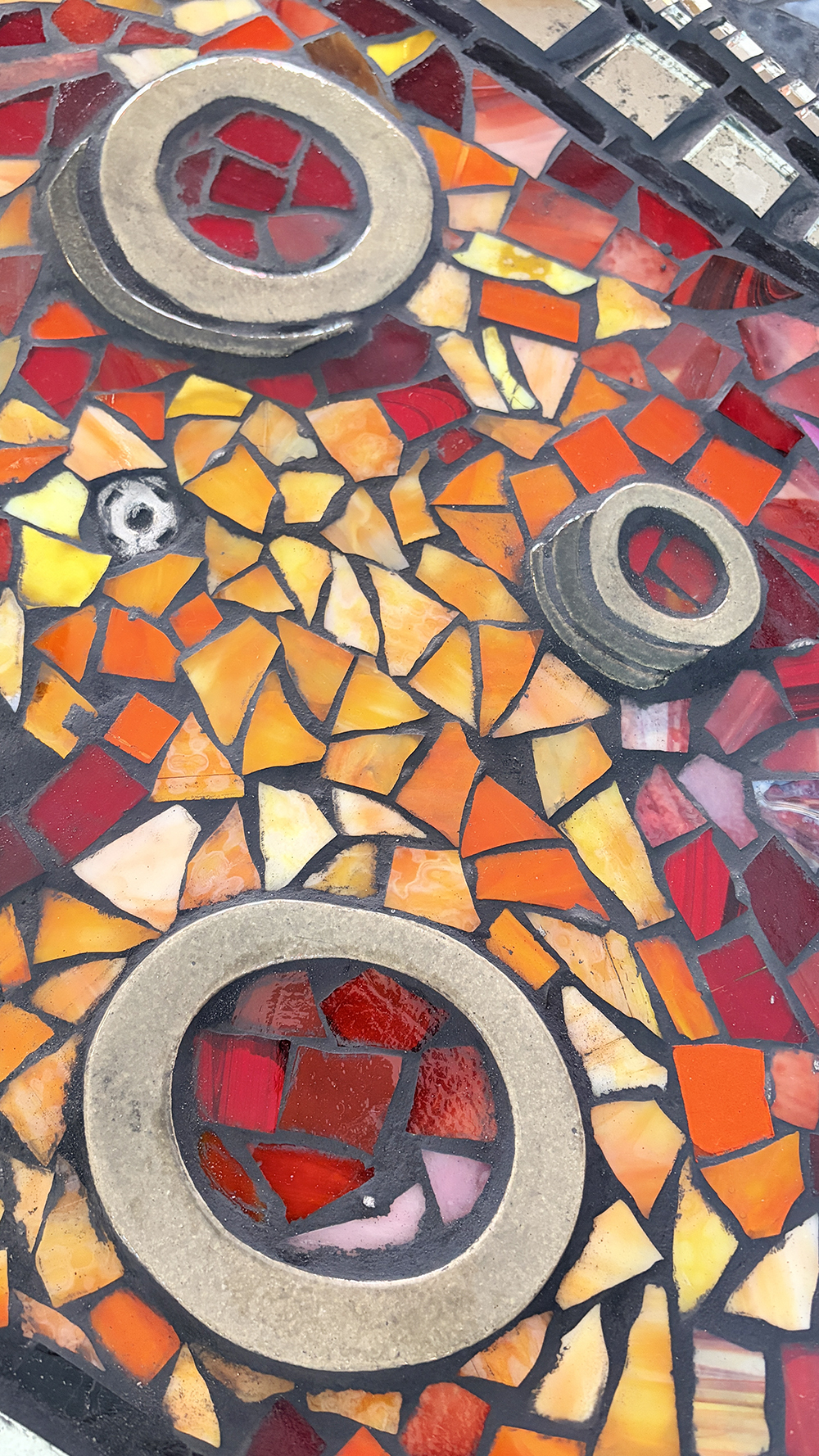
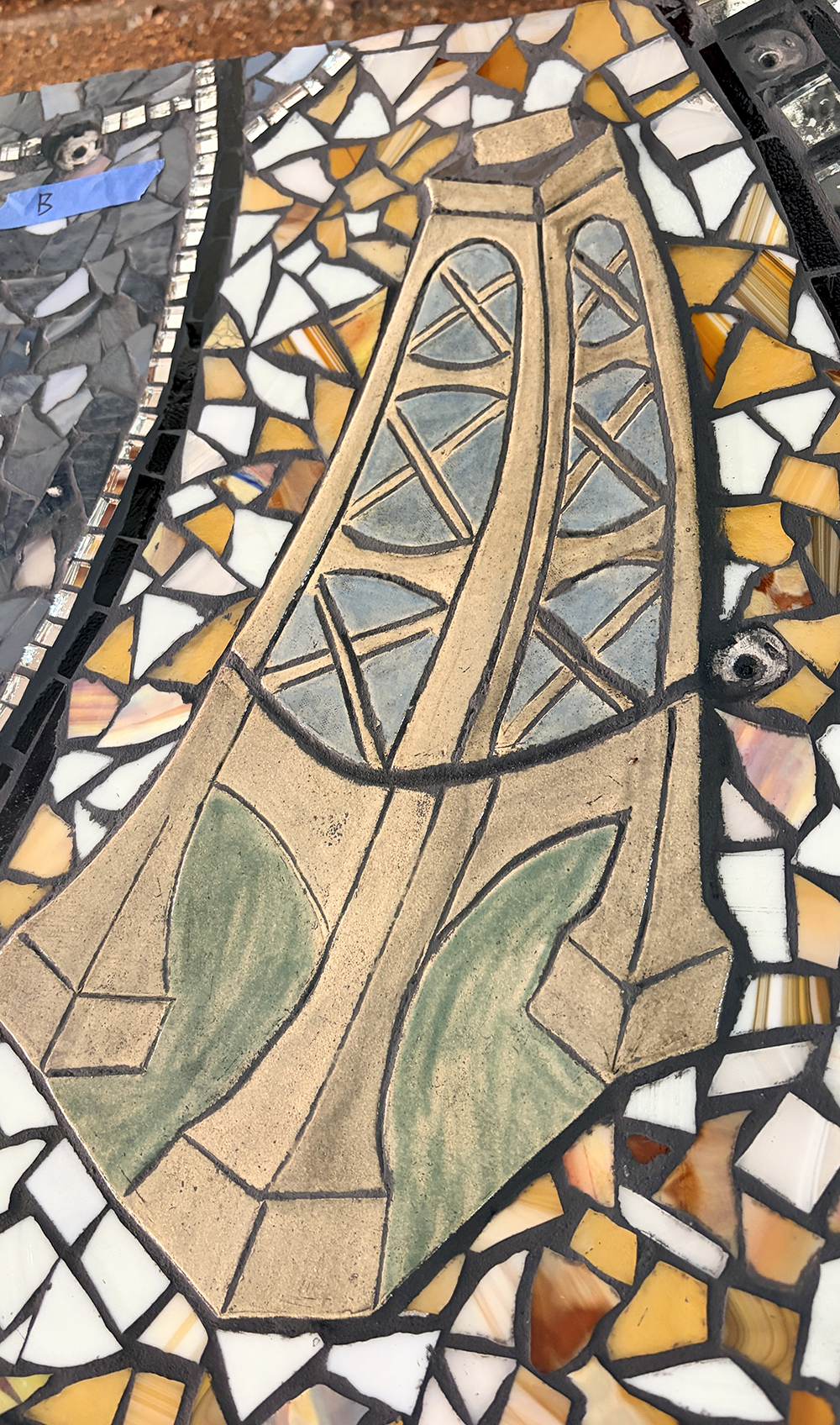
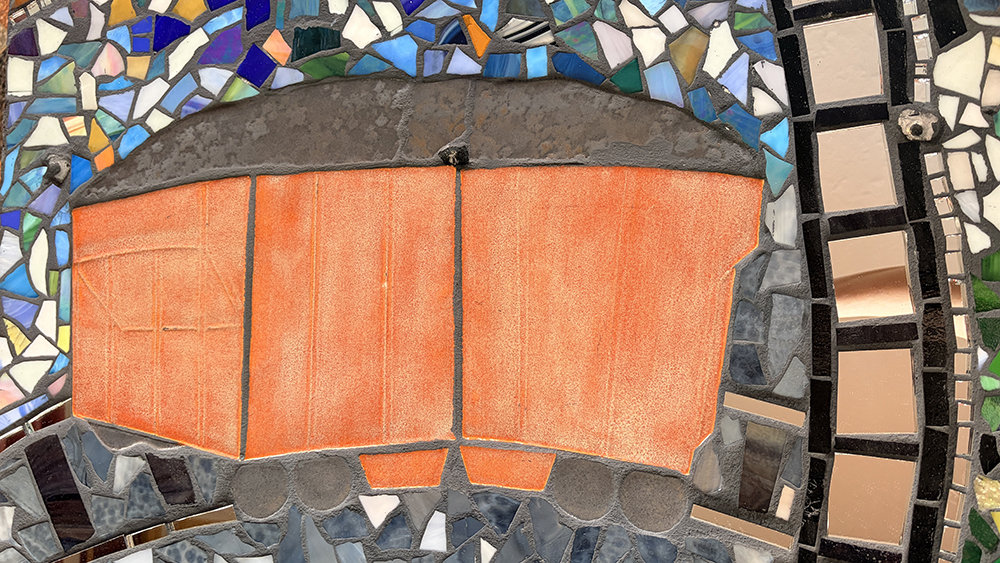
Ladle to represent the steel industry in Butler, PA – tile created in collaboration with Jessica Liddell of Bella MosaicBelleville International manufactures washers in Butler, PA – tile created in collaboration with Jessica Liddell of Bella MosaicOil Derrick to represent the historic oil industry in Butler, PA – tile created in collaboration with Jessica Liddell of Bella MosaicPullman Railcar in Butler, PA – tile created in collaboration with Jessica Liddell of Bella Mosaic
In September 2025, the Hastings Tribune covered a week-long artist residency I led at Adams Central Elementary in Hastings, Nebraska — and it’s a great example of what an in-school glass art residency can look like from start to finish, so I wanted to give it a fuller recap here.
The Inspiration: Patty Talbert’s North Omaha Positive Affirmation Project
Every residency I bring into a school starts with an artist and an idea worth borrowing. For this one, we looked at the work of Omaha artist Patty Talbert, whose North Omaha Positive Affirmation Project uses public art to put messages of self-worth directly into the community.
Students spent time with Talbert’s approach — art as affirmation, not just decoration — before writing their own. Those affirmations became the design language for everything that followed.
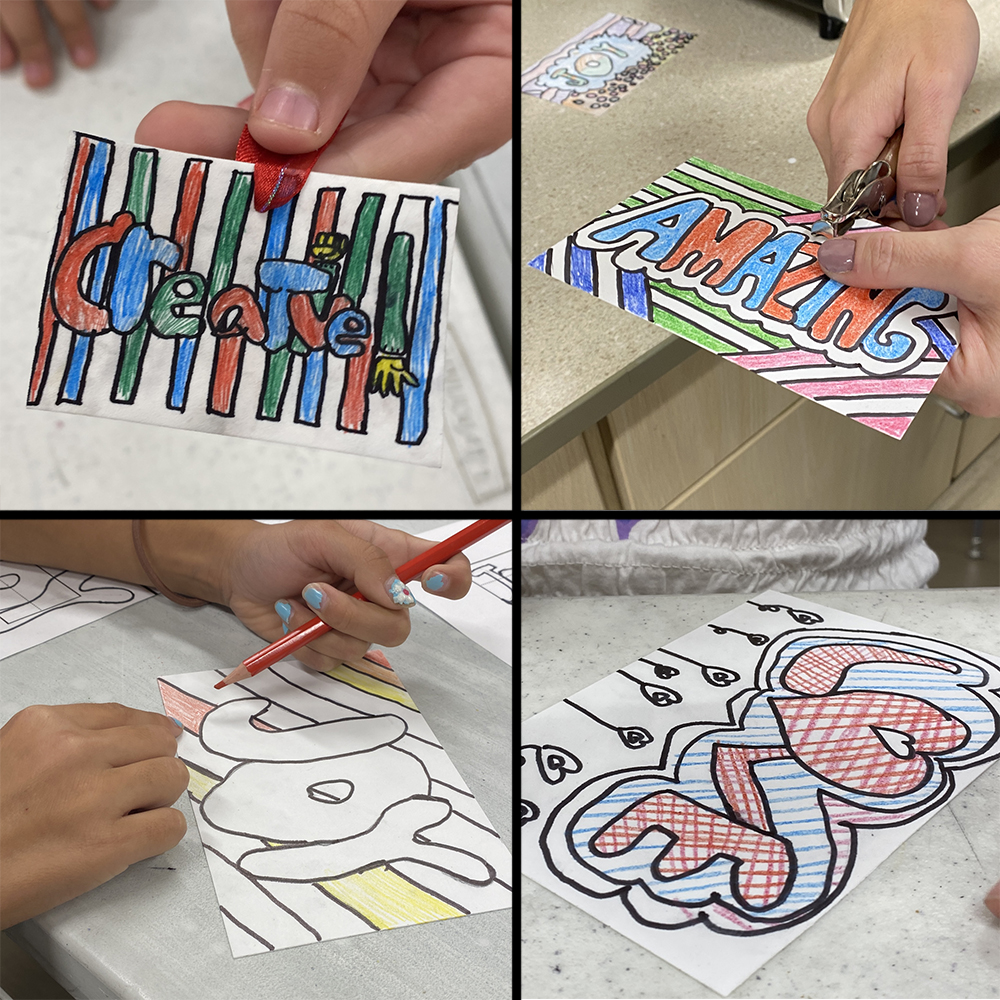
Students created Shrinky Dink affirmations in the style of Patty Talbert, artist-in-residence program funded by Nebraska Arts Council
What the Students Made
The residency worked on two tracks, which is typical of how I structure a school visit:
A take-home project for every student. Each student used their affirmation to design a piece in Shrinky Dinks — a fast, accessible material that lets even the youngest students walk away with something finished and personal on day one.
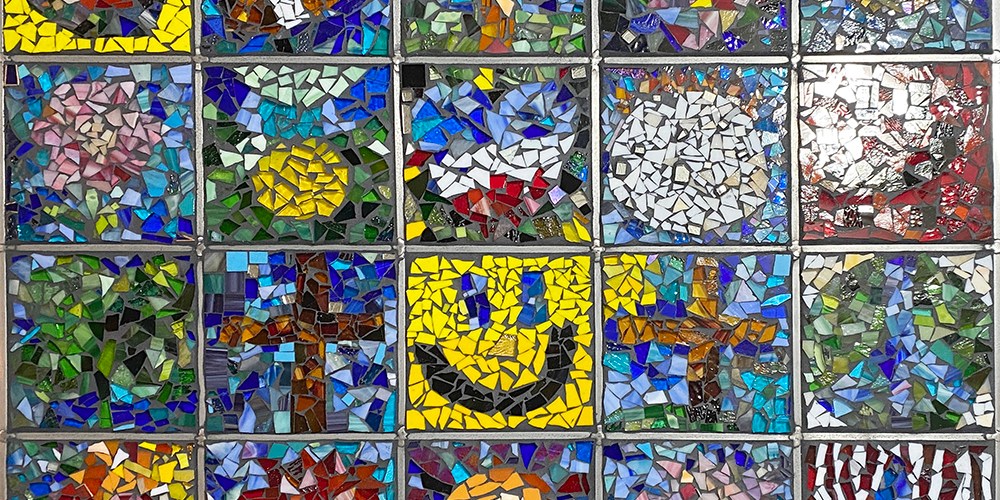
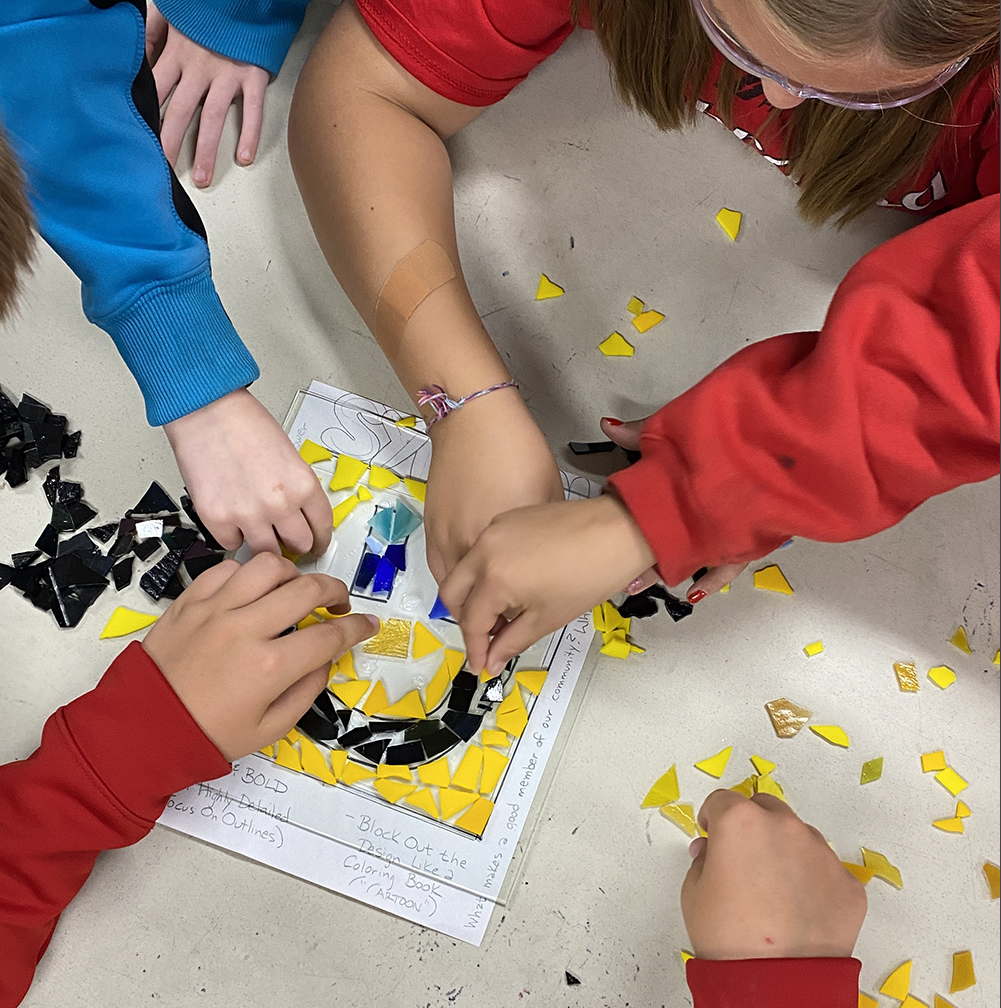
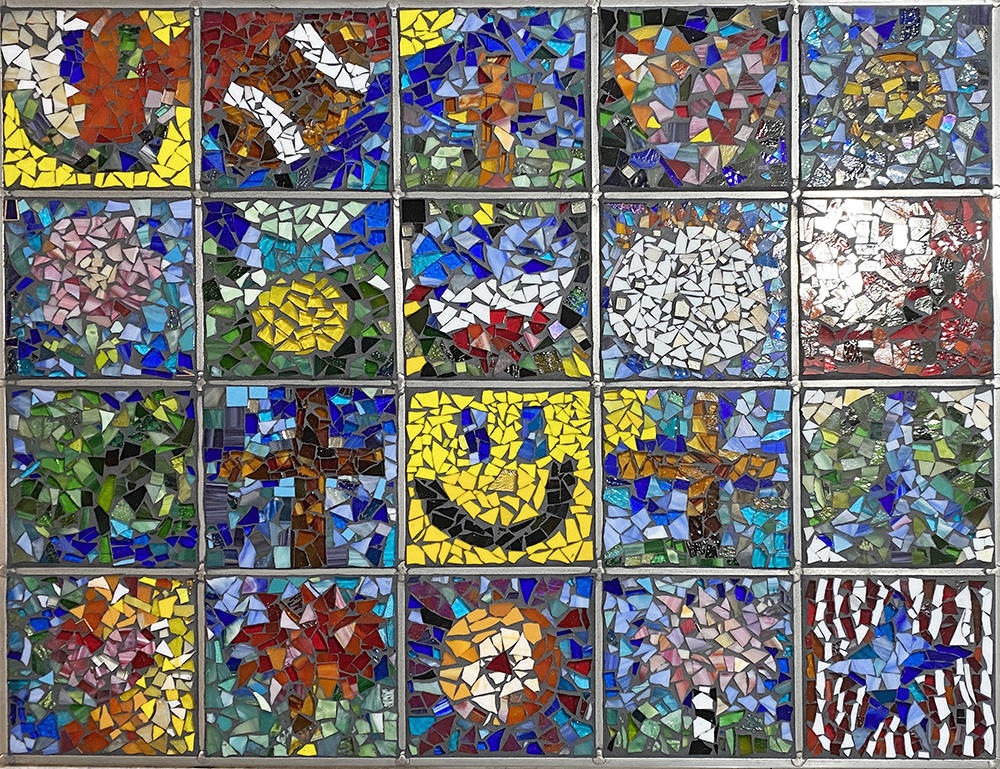
A large-scale, permanent installation. The fifth-grade class took the concept further, designing and building a glass-on-glass mosaic “legacy window.” It now hangs permanently in the school — this was actually Adams Central’s second legacy window; an earlier class built one a few years prior that still hangs in the cafeteria.That two-track structure is intentional: individual work that goes home with a family, and a collective piece that stays behind as a lasting mark on the school itself.
Students creating glass art through artist residencies for elementary schools in Nebraska.
Why Schools Book Artist Residencies Like This
A residency like this does a few things a single art class period can’t:
Gives students a finished, professional-grade artwork in a medium (glass) they don’t normally get to touch
Creates a permanent installation that becomes part of the school’s identity — something alumni, staff, and families point to for years
Connects classroom learning to a working artist’s real practice and a real community art project, not just a generic craft
Students worked in groups to design a glass mosaic legacy window for permanent installation in their school .
Funding: Nebraska Arts Council Artists in Schools & Communities Program
Interested in a residency at your school? Get in touch — I’d love to talk through what’s possible for your students.
Carrie Strope is a Lincoln, Nebraska-based glass and teaching artist working under the name Calyx Glass, and a Nebraska Arts Council Artists in Schools & Communities roster artist.
Murals in Islandview – Michigan Glass Project Mosaic
The Michigan Glass Project Community Mosaic was built during the three day art and music festival, June 21-23, 2024. Festival doors opened at noon each day and participants built the mosaic between noon and 7:30-8pm daily. Here is a visual journal of the project coming together from design to installation during the Murals in Islandview Festival held September 23-28, 2024.
Idea for Design sketched out in sidewalk chalk to actual size, June 1Greyscale cartoon created with additional details, June 15Design lines transferred to backerboards prepped for exterior installation, June 20, afternoon
Breaking down glass, June 21 beginning of day
Laying out design lines, June 21, evening
Design lines attached and ready for festival go-ers to mosaic! (June 22, noon)
Building the mosaic during the art and music festival, June 23, afternoonAll ages participated in helping to build the mosaic, June 23, evening
Breaking down more glass during the festival, June 21 eveningCementing glass in place to fill in the design, June 23, evening
All pieces of the mosaic in place at the end of the festival, June 25, afternoon
The mosaic went into storage over the summer and was prepped for installation in the lead up to the Murals in Islandview festival.
Mosaic panels came out of storage and were inspected. Any bits that fell out were secured in place, September 22, afternoon
Quick grouting demo, September 23, morning
Team of about 15 volunteers helped to grout and polish the mosaic, September 23, 11am – 5pm
Artists were invited to submit fused glass, flameworked glass, mosaic and furnace bits to be included in the mosaic. Items were photographed and documented.
Meanwhile, Allison Key and Jesse Kassel prepped the painted portion of the mural, September 23-25Installation begins, September 25, noonInstallation complete, September 25th, evening
After the mosaic was installed, there were some touchups in paint and additional tiles placed over the seams for design lines to stand out.
All work completed and cleaned up, September 27, evening


You must be logged in to post a comment.